Islamiar documents Islamic architecture and cultural heritage worldwide — mosques, palaces, and monuments — through detailed studies of design, geometry, and history for researchers, students, and enthusiasts.
LATEST ARTICLES
Explore The World Of Islam
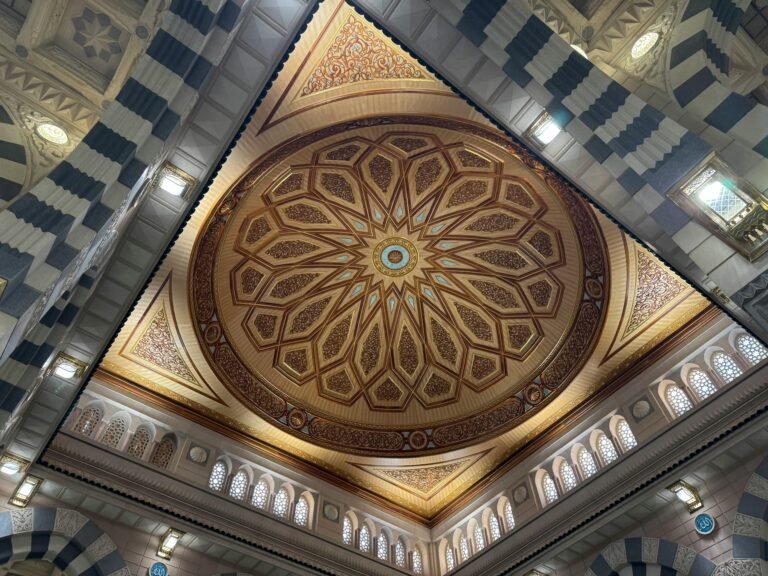
Islamic architecture reflects faith, harmony, and cultural identity through mosques, madrasas, palaces, and gardens. It features geometric patterns, arabesques, calligraphy, domes, arches, courtyards, and light-filled spaces. Rooted in spiritual symbolism and regional traditions, it emphasizes balance, unity, craftsmanship, and timeless design across diverse Islamic civilizations and landscapes.
Our Destination
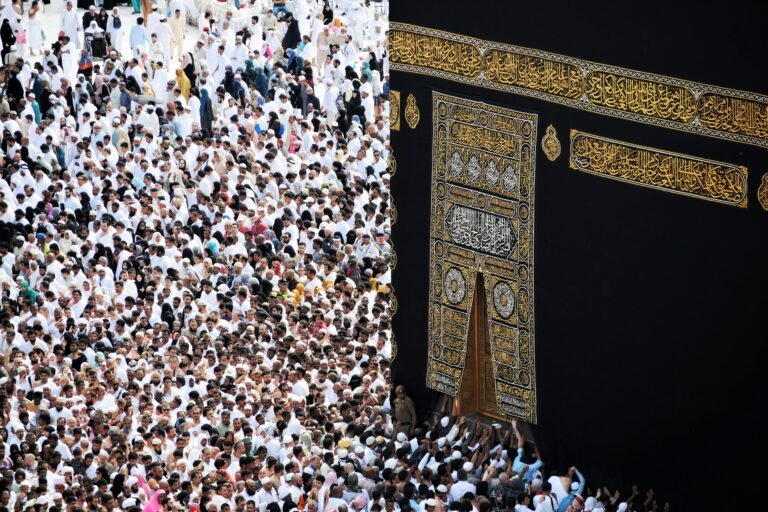
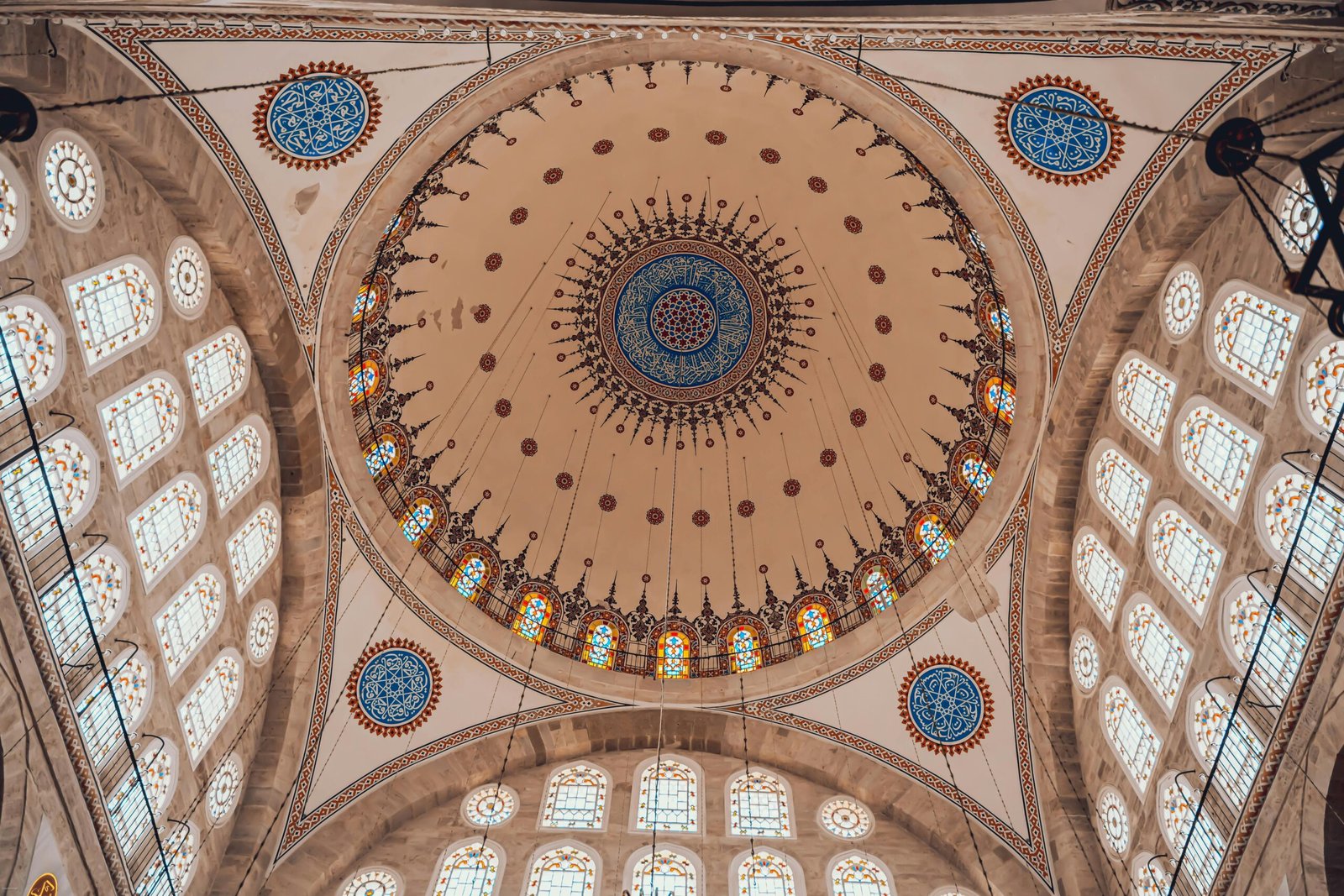
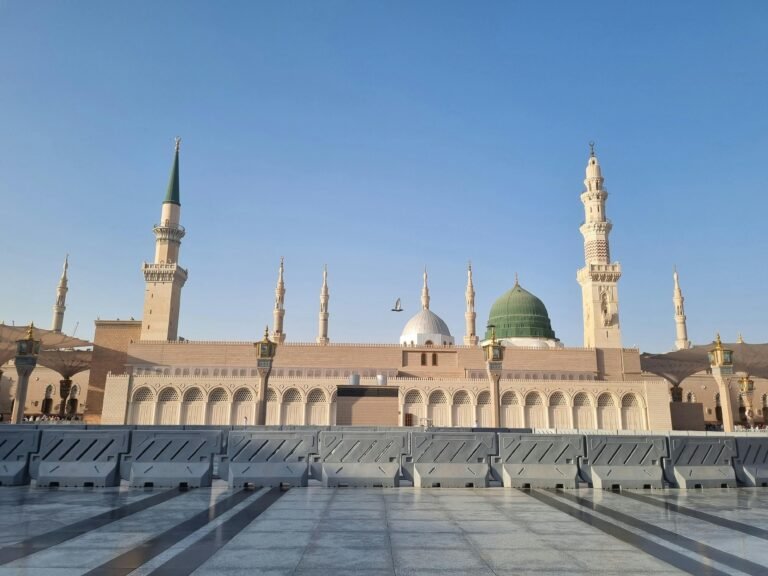
Our study focuses on Islamic monuments around the world, highlighting their architectural design and interior details. We analyze mosques, madrasas, palaces, and heritage structures based on Islamic architecture principles, spatial planning, materials, patterns, and decorative elements. Through documented research, drawings, and interior studies, we explore how Islamic architecture reflects culture, faith, geometry, and craftsmanship.
Frequently Asked Questions
Answers to common questions about Islamic architecture and what you’ll find on Islamiar.
What is Islamic architecture?
Islamic architecture is the building tradition shaped by the history, values, and regions of the Islamic world. It is most visible in mosques, madrasas, palaces, and tombs, and is known for geometric ornamentation, calligraphy, and designs built around communal and spiritual life.
What are the key features of Islamic architecture?
Common features include domes, pointed and horseshoe arches, minarets, courtyards, muqarnas (stalactite-like vaulting), and dense geometric or calligraphic ornamentation across walls, ceilings, and mihrabs.
Why do mosques often have domes and minarets?
Domes cover large, column-free prayer halls and help carry light and sound. Minarets historically served to call the community to prayer and mark the mosque within the surrounding skyline.
What role does geometry play in Islamic art and architecture?
Repeating geometric patterns — stars, polygons, and interlacing lines — appear throughout Islamic art and architecture. They reflect ideas of unity and order, and are used across mosques, palaces, and manuscripts alike.
Where can I learn more about specific Islamic monuments?
Islamiar publishes in-depth studies of Islamic monuments and interior design traditions from around the world. Browse our articles to explore individual sites, regions, and historical periods in detail.